
Additive Manufacturing
Additive manufacturing (AM), also known as 3D printing, is transforming how products are designed and manufactured. By building components layer by layer from digital models, AM enables greater design flexibility, faster innovation and more sustainable production.
Overview
What is additive manufacturing
Additive manufacturing (AM) is a production process that creates three-dimensional objects by building material layer by layer from a digital model.
Unlike traditional manufacturing methods that remove material through machining or cutting, additive manufacturing builds parts directly from digital designs. This allows manufacturers to produce complex geometries, lightweight structures and customised components that would be difficult or impossible to create using conventional techniques.
Since its emergence in the early 1990s, additive manufacturing has transformed product development across many industries. Today AM technologies can process a wide range of materials, including
- metals
- polymers
- composites
- other advanced materials
As a result, companies increasingly use additive manufacturing to:
- accelerate product development
- create next-generation products
- strengthen their competitive advantage
Benefits
Why additive manufacturing matters
Additive manufacturing enables new approaches to product design, manufacturing and supply chains.

1 / Design freedom
Complex geometries and integrated functionality can be produced with fewer design constraints.

2 / Faster innovation
Rapid prototyping and testing accelerate product development cycles.

3 / Product personalisation
AM enables economical production of customised components and small production runs.

4 / Material efficiency
Material is used only where needed, reducing waste compared with traditional manufacturing.

5 / Sustainable production
Additive manufacturing supports more efficient use of materials and energy while enabling circular manufacturing approaches.




Industries
Applications across industries
Additive manufacturing technologies are used across industries where complex components, advanced materials and high-performance manufacturing are required.

Aerospace & defence
Production of lightweight, high-performance components and tooling used in aircraft and defence systems.
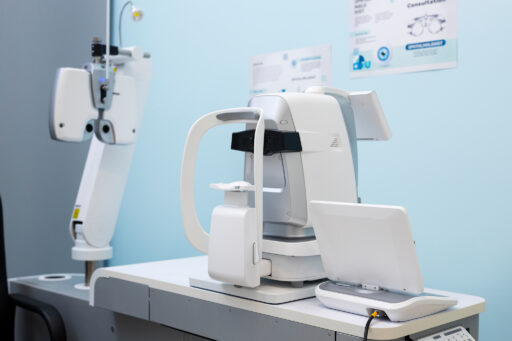
Medical devices & healthcare
Development of customised implants, medical devices and patient-specific healthcare solutions.

Transport & mobility
Manufacturing of parts and tooling for automotive, rail and other transport systems.
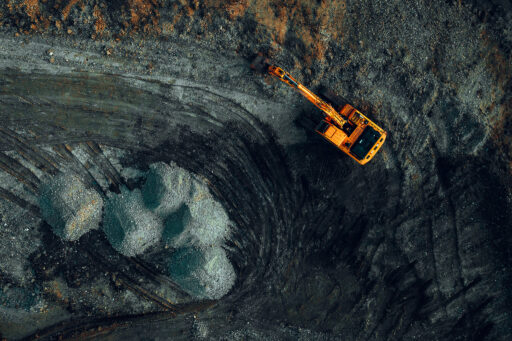
Resources & mining
Production of specialised components and equipment used in mining and mineral processing.

Renewable energy
Manufacturing of components used in renewable energy systems and energy infrastructure.
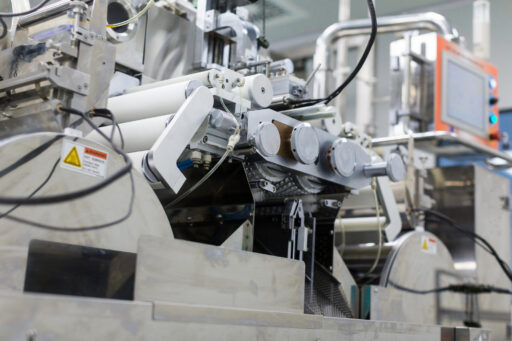
Enabling capability
Skills, infrastructure and systems that enable the adoption and growth of advanced manufacturing across industries.
Technologies
Key additive manufacturing technologies
Different additive manufacturing technologies are used depending on the material, application and performance requirements.
These technologies enable the production of complex components across a wide range of materials and industries.
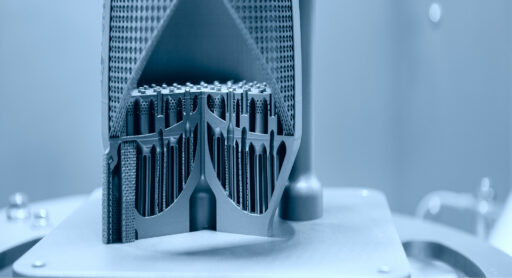
- Powder Bed Fusion / Metal powder fused layer-by-layer using a laser or electron beam.
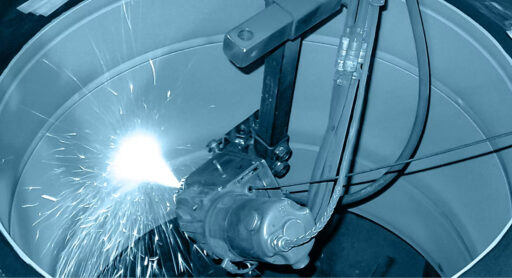
- Directed Energy Deposition / Focused energy melts material as it is deposited.
- Binder Jetting / Liquid binder joins powder particles to form solid parts.
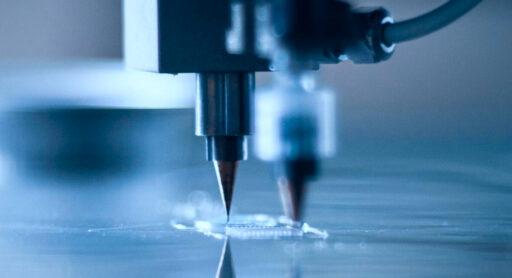
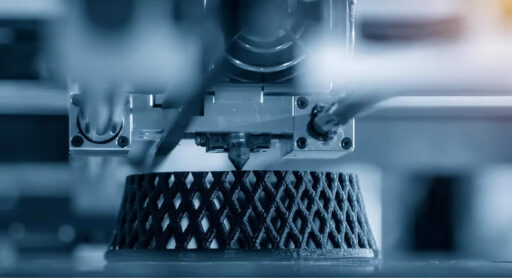
- Material Extrusion / Material is extruded through a nozzle layer by layer.
- Vat Photopolymerisation / Liquid resin cured by light to form precise components.
MATERIALS
Materials used in additive manufacturing
Additive manufacturing supports a wide range of materials, enabling applications across aerospace, medical, defence and industrial sectors. Different materials provide unique mechanical, thermal and functional properties depending on the application.
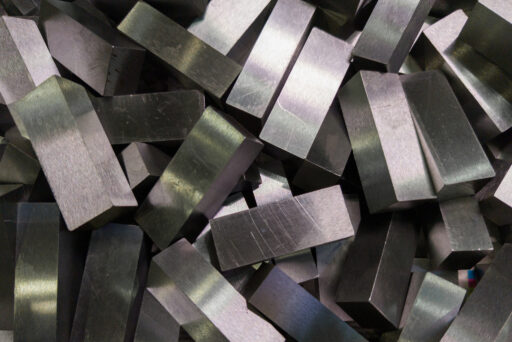
Metals
Titanium, aluminium and steel alloys used for high-performance industrial components.
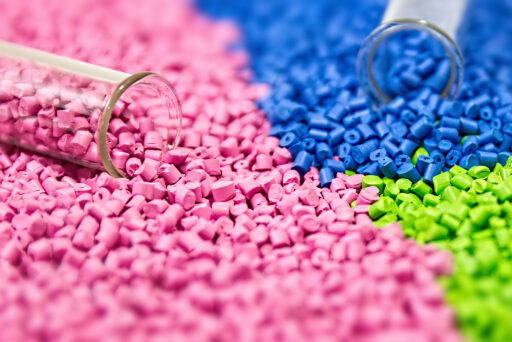
Polymers
Engineering plastics used for prototyping and functional parts.
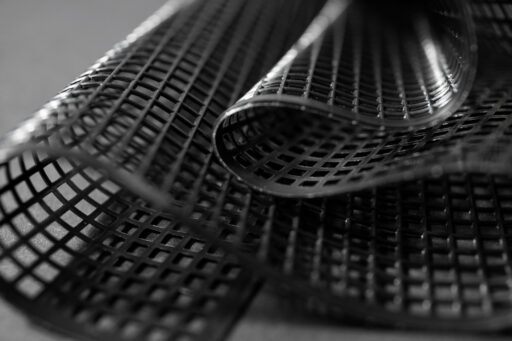
Composites
Lightweight materials combining strength and durability.
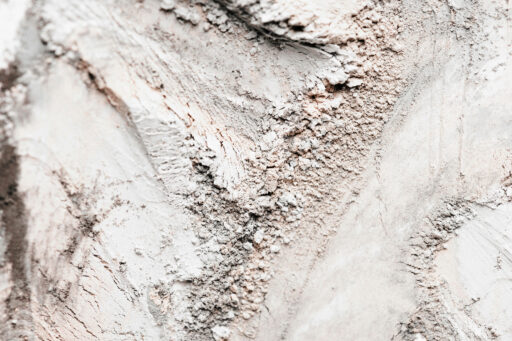
Ceramics
Specialised materials used in industrial and medical applications.
ECOSYSTEM
The additive manufacturing ecosystem
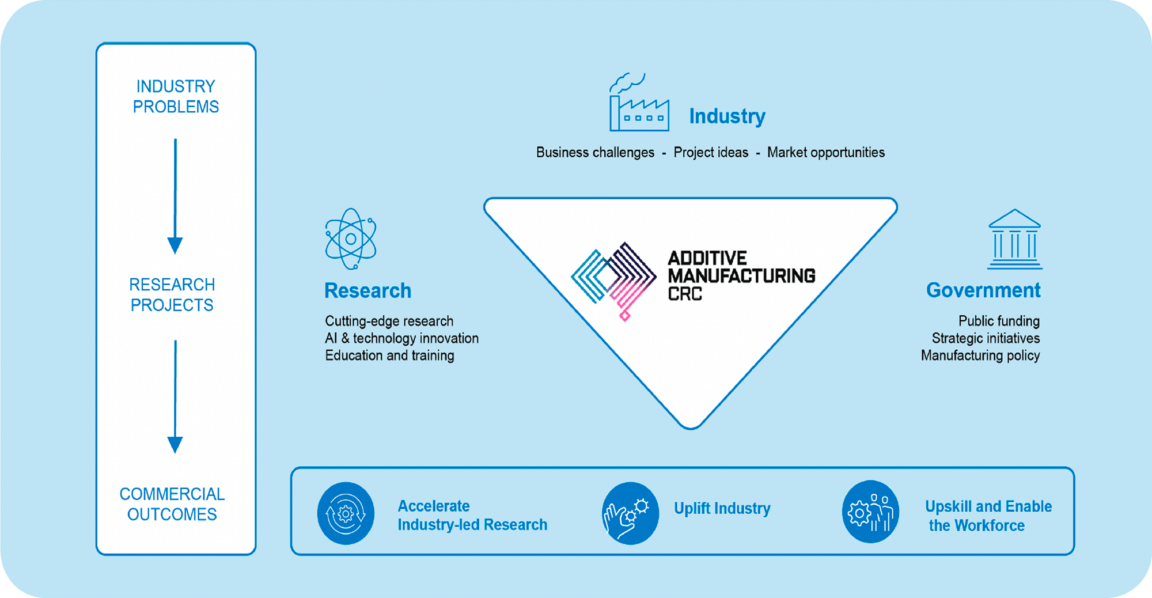
Additive manufacturing innovation requires collaboration between industry, research organisations and government.
The Additive Manufacturing CRC acts as a national hub connecting these partners to accelerate technology development, industry adoption and the commercialisation of research.
Through collaborative R&D projects, the AMCRC ecosystem enables:
- technology development
- industry capability building
- commercialisation of research
- workforce development

Australia and beyond
AMCRC collaborates with partners across Australia and internationally, connecting Australian industry with global innovation networks.
Get Involved